
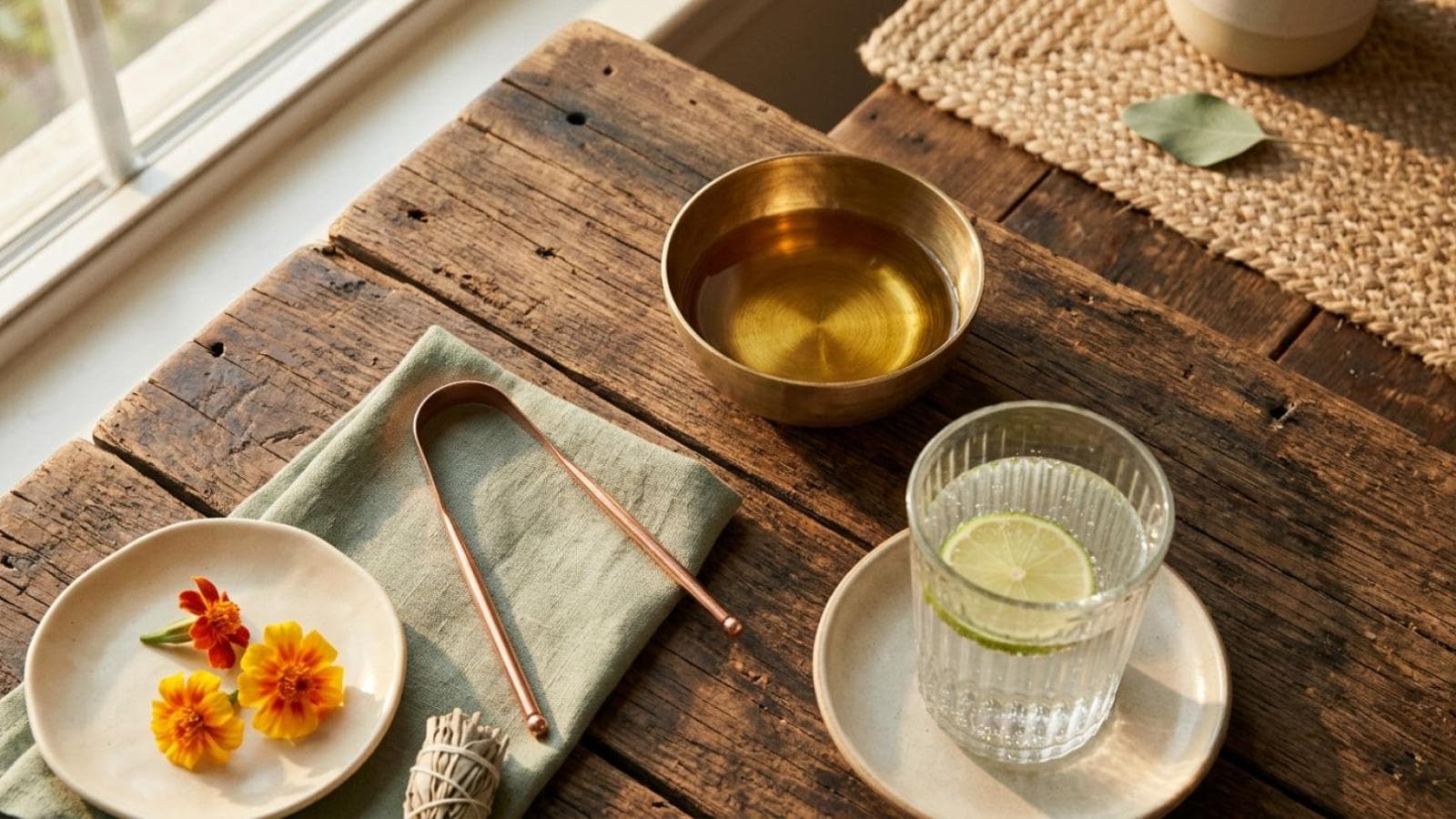
In Ayurveda, the way you begin your morning sets the tone for your entire day. This daily routine is called dinacharya, and it is one of the oldest and most practical parts of Ayurvedic wellness wisdom. Rather than a rigid checklist, dinacharya is a gentle framework of habits that work with your body's natural rhythms rather than against them. At Shuddham Ayurveda, we often tell our patients in Mohali that small, consistent morning habits can do more for long-term wellbeing than occasional large efforts. Here are five simple Ayurvedic morning rituals you can begin exploring today, along with important precautions to keep in mind.
1. Waking With the Sun (Brahma Muhurta)
Ayurveda recommends waking during the early pre-dawn hours, traditionally known as Brahma Muhurta, roughly 90 minutes before sunrise. This time is considered calm and conducive to clear thinking, and many people find that rising early — even by 30 to 45 minutes — gives them a quieter start to the day before household or work demands begin.
You do not need to force an extreme wake-up time. If you currently wake up late, shift your alarm gradually by 15 minutes every few days rather than all at once. The goal is a sustainable rhythm, not a dramatic overnight change.
A Simple Way to Begin
Try opening your curtains as soon as you wake and spending a few minutes in natural light before checking your phone. This small shift alone can help you feel more alert and less groggy.
2. Tongue Scraping (Jihwa Prakshalana)
Tongue scraping is one of the simplest Ayurvedic habits to adopt. Using a copper or stainless-steel tongue scraper first thing in the morning, before drinking water or brushing your teeth, gently removes the coating that accumulates on the tongue overnight. Ayurvedic texts describe this coating as a build-up of ama, a term used for undigested residue, and removing it is traditionally believed to support fresher breath and a cleaner palate for the day ahead.
To try it: gently scrape from the back of the tongue to the front, 7–10 times, rinsing the scraper between strokes. Use gentle pressure — the goal is to clear the surface coating, not to scrub hard.
3. Warm Water and Oil Pulling
After tongue scraping, many people in the Ayurvedic tradition drink a glass of warm (not hot) water, sometimes with a squeeze of lime, to gently support digestion as the body wakes up. This is followed, on some days, by oil pulling (kavala/gandusha) — swishing a tablespoon of sesame or coconut oil in the mouth for 5–10 minutes before spitting it out (never swallowing it) and rinsing well.
Oil pulling is a traditional oral-care practice, not a substitute for brushing, flossing, or regular dental check-ups. If you have any existing dental or gum conditions, ask your dentist whether oil pulling is appropriate for you before adding it to your routine.
4. Abhyanga — Warm Oil Self-Massage
Abhyanga is a self-massage with warm, dosha-appropriate oil, traditionally performed before bathing. Sesame oil is commonly used for its warming qualities, while coconut oil is often preferred in warmer months or by those with a Pitta-dominant constitution. The massage is usually done in long strokes along the limbs and circular strokes over joints, taking around 5–10 minutes.
Regular practitioners describe abhyanga as a grounding ritual that can help the body feel cared for before the day's activities begin, and many enjoy it simply as a moment of quiet self-care. If you are new to your Ayurvedic constitution and want guidance on which oil may suit you, our practitioners at Shuddham Ayurveda can help you understand your dosha before you start.
5. Mindful Breathing and Meditation Before Food
Before eating your first meal, Ayurveda encourages a few minutes of quiet breathing or meditation. Even five slow, deep breaths — inhaling through the nose, holding briefly, and exhaling slowly — can help shift the nervous system out of the rush of waking up and into a calmer, more present state before the day's demands begin.
This is not about achieving a particular meditative state. It is simply a pause — a few minutes of stillness that many people find helps them feel more settled before eating and starting work.
Precautions
- Skip oil massage (abhyanga) over any area with an active skin infection, open wound, rash, or acute inflammatory skin condition. Consult a dermatologist or your treating physician first.
- If you are pregnant, breastfeeding, managing a chronic illness, or on regular medication, speak with a qualified vaidya or your doctor before starting any new Ayurvedic routine, including oil massage and oil pulling.
- Introduce new habits one at a time rather than all five at once, so you can notice how your body responds to each.
- These rituals are general wellness practices, not a treatment for any diagnosed medical condition. They are not a substitute for professional medical care.
Who Should Consult a Qualified Practitioner
If you have a diagnosed health condition, are recovering from surgery, are pregnant, or are already under treatment for any illness, it is best to discuss any new routine — including dinacharya practices — with a qualified Ayurvedic practitioner or your physician first. A personalised assessment can help ensure these habits complement rather than interfere with your current care.
Frequently Asked Questions
Do I need to follow all five rituals every single day?
No. Ayurveda values consistency over perfection. Start with one or two that feel manageable, such as tongue scraping and warm water, and add others gradually as they become natural habits.
Can I do abhyanga at night instead of the morning?
Traditional dinacharya recommends morning abhyanga before bathing, as it is believed to help the body feel prepared for the day. Some people also enjoy a lighter version in the evening for relaxation, though this is a personal preference rather than a strict rule.
Is oil pulling safe for everyone?
Oil pulling is generally considered a gentle practice, but it is not automatically appropriate for everyone — for example, young children or people with certain dental conditions should check with a dentist first. It should never replace brushing or professional dental care.
How long before I notice any difference?
Every person responds differently, and Ayurveda emphasises patience over quick fixes. Many people report feeling more settled in their daily rhythm within a few weeks of consistent practice, but individual experiences vary and we cannot promise specific outcomes.
Can children follow these morning rituals?
Some elements, like waking earlier and mindful breathing, can be adapted gently for children, but oil pulling and certain massage techniques should only be introduced under guidance from a qualified practitioner, considering the child's age and health.
A Note on Safety
The information in this article is educational and general in nature. It is not a diagnosis, prescription, or a substitute for individualised medical or Ayurvedic advice. Everybody's constitution and health circumstances differ, and what suits one person may not suit another.
Conclusion
Ayurvedic morning rituals are less about following a perfect routine and more about creating small, sustainable pockets of calm and self-care before the day takes over. Whether you start with a few mindful breaths or work your way up to a full dinacharya practice, the goal is always the same — supporting your body's natural balance one gentle habit at a time.
If you would like personalised guidance on which morning rituals suit your unique constitution, our practitioners at Shuddham Ayurveda in Mohali are here to help. You can also explore how understanding your dosha or improving your sleep and stress routine can complement your mornings. Book an appointment with our team to begin a wellness routine tailored to you.
Diksha Dhiman
Dr. Diksha Dhiman is a BAMS-qualified Ayurvedic physician and Certified Rehabilitation and Ayurvedic Vaidya (C.R.A.V.), specialising in Keralite Panchakarma therapies. She practices at the Shuddham Ayurveda flagship clinic in Mohali, guiding patients through personalised Ayurvedic care rooted in classical texts and modern clinical safety.