
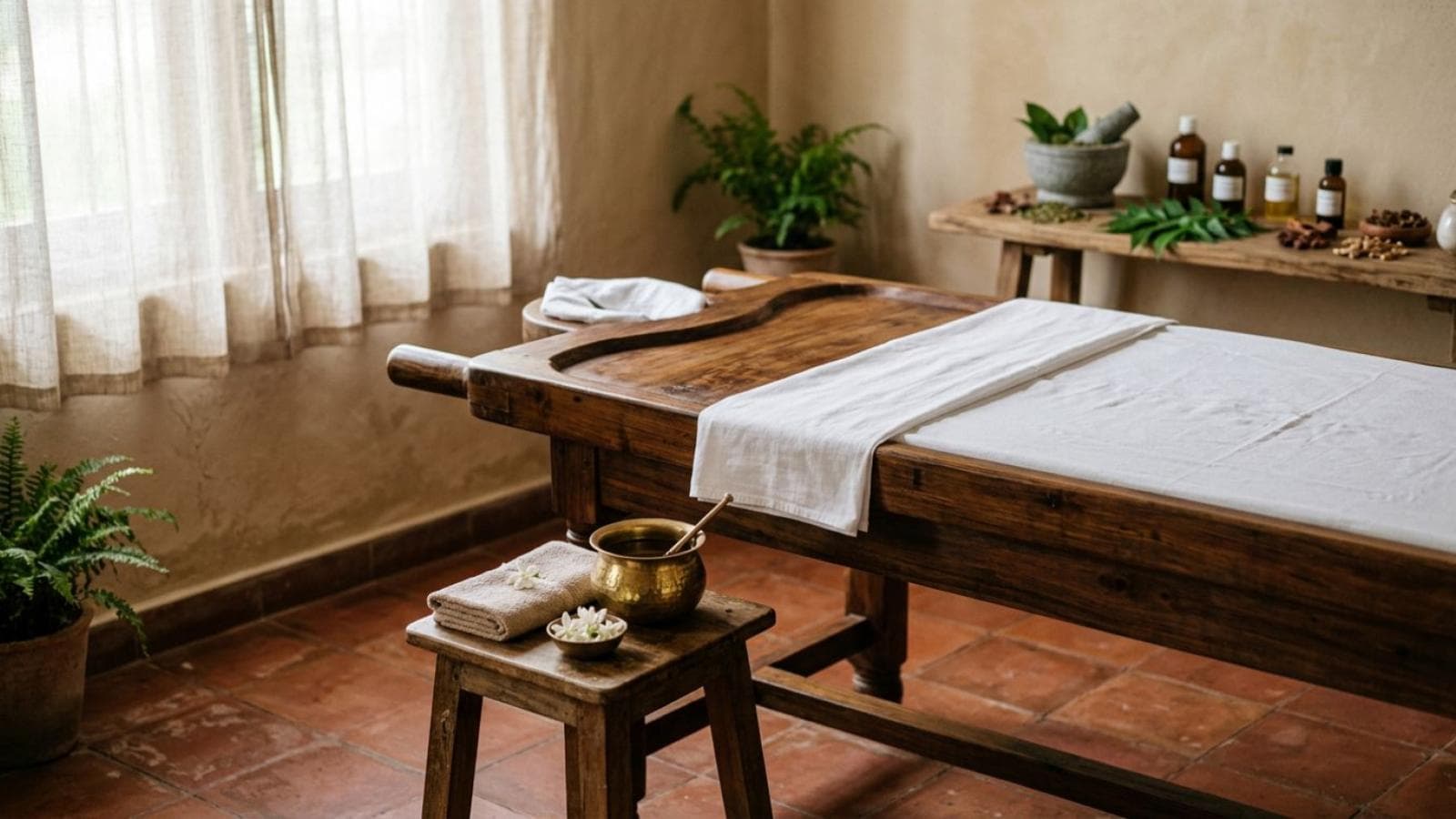
Few words in Ayurveda are as widely used — and as widely misunderstood — as Panchakarma. It is sometimes described casually as a "detox," but Panchakarma is a structured, supervised clinical process carried out under the guidance of a qualified vaidya, not a home remedy or a weekend cleanse you can safely attempt on your own. This article explains what Panchakarma actually involves, what a typical timeline looks like, and — most importantly — who should seek medical consultation before considering it.
What Is Panchakarma?
Panchakarma literally means "five actions" or "five procedures." It refers to a set of classical Ayurvedic cleansing therapies designed to be administered by trained practitioners in a clinical setting, following a careful pre-assessment of the individual's constitution, current health status, and any existing medical conditions. It is not a single treatment but a phased program that typically unfolds over several stages.
Importantly, Panchakarma is never intended as a do-it-yourself detox using home remedies, fasting apps, or unsupervised herbal purchases. The procedures involved can have a meaningful physiological effect on the body, which is exactly why professional supervision matters — to ensure they are administered appropriately for each person's condition.
Purvakarma: The Preparatory Phase
Before any of the five main procedures begin, a preparatory phase called purvakarma takes place. This typically includes:
- Snehana (oleation): Internal and/or external application of medicated oils or ghee over several days to help loosen and mobilise imbalances toward the digestive tract.
- Swedana (sudation): Herbal steam therapy that follows oleation, intended to further prepare the body for the main cleansing procedures.
This preparatory stage is carefully paced by the treating practitioner based on ongoing observation — it is not a fixed formula applied identically to every patient.
The Five Procedures, at a High Level
The five classical Panchakarma procedures are traditionally:
- Vamana — a supervised therapeutic emesis procedure, used selectively and only when clinically appropriate.
- Virechana — a supervised purgation therapy using specific herbal preparations.
- Basti — medicated enema therapy, considered one of the most commonly used and versatile Panchakarma procedures.
- Nasya — administration of medicated oils or preparations through the nasal passage.
- Raktamokshana — a specialised bloodletting procedure, used rarely and only in specific clinical contexts by trained practitioners.
Not every person undergoing Panchakarma receives all five procedures. A qualified vaidya selects which procedures are appropriate based on individual assessment — this is a clinical decision, never a generic package applied to everyone.
Paschatkarma: The Post-Care Phase
After the main procedures, a structured post-care phase called paschatkarma follows. This typically involves a gradual, staged reintroduction of regular food (samsarjana krama), continued rest, and lifestyle guidance to help the body settle after the cleansing process. This phase is just as important as the procedures themselves and should not be skipped or rushed.
What Determines the Timeline
Several factors influence how long a Panchakarma program takes for a given individual, including the specific health goals being addressed, the person's current constitution and strength, and how the body responds during the preparatory phase. Practitioners generally reassess progress throughout the program rather than committing to a fixed schedule from day one, which is one reason it is difficult to give a single universal timeframe.
Typical Duration
A full Panchakarma program can range from roughly one to several weeks, depending on the individual's condition, the procedures selected, and the practitioner's assessment. Shorter wellness-oriented programs also exist. There is no universal timeline — your treating vaidya at Shuddham Ayurveda will discuss a realistic schedule with you based on your specific consultation.
Who Should Have a Medical Consultation First
Panchakarma is not appropriate for everyone, and a proper pre-assessment is essential before beginning. You should have a thorough medical consultation, and inform your Ayurvedic practitioner in full, if any of the following apply to you:
- You are pregnant or breastfeeding.
- You have had recent surgery or are recovering from a significant medical procedure.
- You have a diagnosed heart condition or cardiovascular disease.
- You are on prescription medication, particularly for chronic conditions such as diabetes, hypertension, or psychiatric conditions.
- You have a bleeding disorder or are on blood-thinning medication.
- You have a history of eating disorders or significant nutritional deficiency.
- You are elderly or have significant frailty.
In every case, Panchakarma should only proceed after your vaidya has reviewed your full medical history and, where necessary, coordinated with your treating physician. Never stop or alter any prescribed medical treatment on your own in order to begin Panchakarma — always discuss this with both your doctor and your Ayurvedic practitioner first.
What a Pre-Panchakarma Consultation Typically Covers
Before recommending any Panchakarma program, a thorough consultation typically covers your medical history, current medications and supplements, any past surgeries, your digestive pattern, sleep quality, and current stress levels, alongside a traditional pulse and constitutional assessment. This groundwork is what allows the treating vaidya to decide which procedures, if any, are appropriate, and to plan an individualised pace for the program rather than applying a generic template.
Why Supervision Under a Qualified Vaidya Matters
At Shuddham Ayurveda, Panchakarma is conducted under the direct supervision of trained practitioners, including our Keralite Panchakarma specialist, precisely because these procedures require careful individualisation, monitoring, and adjustment throughout the process. Attempting any version of these procedures without professional guidance — including so-called "home Panchakarma kits" or unsupervised fasting and purging — is not recommended and can carry real risks. This is a supervised clinical process, not a lifestyle trend to try alone.
Frequently Asked Questions
Is Panchakarma the same as fasting?
No. While dietary adjustments are part of the process, Panchakarma is a structured set of clinical procedures, not simply a fast, and should not be approached as a weight-loss fasting regimen.
Can I do Panchakarma at home using kits or videos I find online?
We strongly advise against this. Panchakarma procedures require professional assessment and supervision to be administered safely and appropriately for your individual condition. Unsupervised attempts are not a substitute for clinical care.
Will Panchakarma cure my chronic condition?
We cannot promise cures or guaranteed outcomes for any condition. Panchakarma is a traditional Ayurvedic therapeutic process that some people pursue as part of a broader wellness approach, always alongside — never as a replacement for — appropriate medical care for diagnosed conditions.
How do I know if I am a suitable candidate?
Suitability can only be determined through an in-person consultation with a qualified vaidya, who will review your health history, current medications, and any existing conditions before recommending a program.
What should I expect to feel during the process?
Experiences vary significantly between individuals. Some people feel more tired during preparatory phases, which is closely monitored by the treating team. Any concerning symptoms should always be reported to your practitioner immediately.
Medical Disclaimer
This article is for general educational purposes only and does not constitute medical advice. Panchakarma involves clinical procedures that must be individually assessed and supervised by a qualified Ayurvedic practitioner, ideally in coordination with your treating physician if you have existing health conditions. Never begin Panchakarma, or stop any prescribed medical treatment, without proper professional guidance.
Conclusion
Panchakarma is one of Ayurveda's most well-known therapeutic traditions, but it is also one of the most misrepresented when reduced to a casual "detox" trend. Approached correctly — as a supervised, individualised clinical process — it can be a meaningful part of a person's Ayurvedic wellness journey. Understanding your dosha can also help your practitioner tailor the process to you. To discuss whether Panchakarma may be suitable for you, explore our treatments page or book an appointment with our qualified team at Shuddham Ayurveda, Mohali.
Diksha Dhiman
Dr. Diksha Dhiman is a BAMS-qualified Ayurvedic physician and Certified Rehabilitation and Ayurvedic Vaidya (C.R.A.V.), specialising in Keralite Panchakarma therapies. She practices at the Shuddham Ayurveda flagship clinic in Mohali, guiding patients through personalised Ayurvedic care rooted in classical texts and modern clinical safety.